
For generations, the mere mention of a tooth extraction was enough to induce a cold sweat in even the most stoic patients. The procedure was historically associated with brute force, long recovery times, and significant post-operative discomfort. However, as we move through 2026, the landscape of oral surgery has undergone a radical transformation. What was once a dreaded “pulling” of a tooth has evolved into a sophisticated, high-tech, and remarkably gentle medical intervention. This evolution is driven by a convergence of digital diagnostics, advanced pharmacology, and a newfound clinical focus on the psychological well-being of the patient.
The advancement of this field is also heavily rooted in the shift toward minimally invasive techniques that prioritize the preservation of the patient’s natural anatomy. Modern practitioners no longer view the extraction as an isolated mechanical task, but as a biological event that requires a delicate touch to protect the surrounding bone and soft tissue. By utilizing piezoelectric instruments and high-frequency vibrations rather than traditional leverage, surgeons can now detach a tooth with microscopic precision. This paradigm shift means that the inflammatory response is drastically reduced, leading to a recovery period that feels more like a minor inconvenience than a major medical setback.
The modern objective is no longer just the removal of a problematic tooth; it is the preservation of the surrounding bone, the minimization of tissue trauma, and the assurance of a frictionless recovery. Today’s dental professionals view an extraction as a precision event, a strategic step toward a healthier, pain-free life. Whether you are facing the removal of impacted wisdom teeth or an unsalvageable molar, the experience today is defined by speed and comfort that would have been unimaginable just a decade ago. This guide explores the diverse layers of innovation that have made the modern extraction a routine, stress-free wellness event.
Precision Diagnostics and Digital Mapping
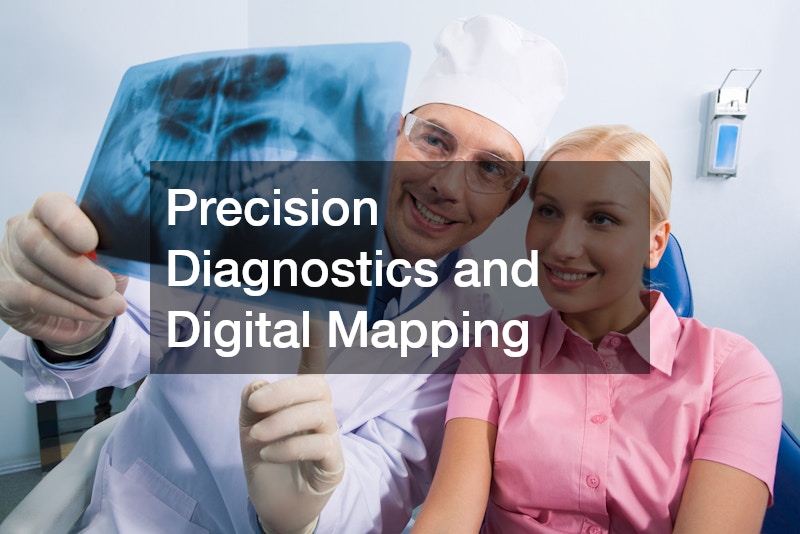
In the past, a dentist relied on two-dimensional X-rays that often hid the complex, curving reality of a tooth’s root system. Today, the process begins with an incredible level of clarity. Ultra-high-definition 3D imaging allows the surgical team to map the exact location of nerves, sinuses, and adjacent roots with sub-millimeter precision. This “digital dress rehearsal” means that before the doctor even picks up an instrument, they have already navigated the surgical path in a virtual environment. This level of preparation is the primary reason why procedures are now significantly faster; there are no “surprises” once the surgery begins.
Furthermore, the integration of multidisciplinary care has become the standard. Before any invasive work is performed, specialized practitioners often consult with local doctors to ensure the patient’s systemic health is optimized for healing. For patients managing conditions like hypertension, diabetes, or those on blood-thinning medications, this collaboration is vital. By reviewing the patient’s full medical history and current prescriptions, the surgical team can tailor the procedure to minimize bleeding risks and maximize the body’s natural regenerative response. This holistic approach ensures that the future technology used in the office is backed by a rock-solid understanding of the patient’s unique biological needs.
Eliminating the Guesswork
- Virtual Planning: Surgeons use software to create “surgical guides”—3D-printed templates that fit over the teeth and show the exact angle and depth required for the extraction.
- Nerve Mapping: Identifying the precise path of the alveolar nerve prevents the numbness and tingling sensations that were once a common risk of wisdom tooth removal.
- Sinus Proximity: In the upper jaw, 3D scans show exactly how close a root is to the sinus cavity, allowing for specialized techniques that prevent sinus perforations.
- Bone Density Assessment: Understanding the strength of the surrounding bone helps the doctor choose the most efficient tools, reducing the amount of pressure needed during the procedure.
Advanced Anxiety Management
The fear of pain is often more debilitating than the pain itself. Recognizing this, the modern dental industry has invested heavily in “Anxiety-Managed” environments. The goal is to provide a seamless transition from the waiting room to the recovery room with zero procedural memory and zero stress. This is where the role of a specialized sedation dentist has become essential. Unlike the simple “local numbing” of the past, patients today can choose from a spectrum of comfort levels, including “twilight” sedation, where they remain conscious but completely relaxed, or deep sedation, where they effectively sleep through the entire event.
This focus on the sensory experience extends to the physical design of modern dentist offices. The cold, sterile, and loud environments of the 1990s have been replaced by spaces that feel more like high-end wellness centers. Patients can now expect noise-canceling headphones to drown out the sounds of the equipment, weighted blankets to provide a sense of security, and even virtual reality goggles that transport them to a calming landscape. By lowering the patient’s baseline cortisol levels through these environmental cues, the body remains in a “rest and digest” state, which has been scientifically proven to lead to faster healing and less post-operative swelling.
Customizing the Comfort Level
- Inhalation Sedation: Often called “laughing gas,” this provides a light, euphoric feeling that wears off almost immediately after the procedure.
- Oral Conscious Sedation: A prescribed pill taken before the appointment that induces a deep state of relaxation, making an hour-long procedure feel like it lasted only five minutes.
- IV Moderate Sedation: Allows the doctor to adjust the level of medication instantaneously, ensuring the patient remains perfectly comfortable throughout the process.
- Sensory Control: The use of botanical aromatherapy (like lavender or citrus) in the operatory has been shown to reduce heart rates and blood pressure in anxious patients.
Specialized Care for Vulnerable Populations

The “one-size-fits-all” approach to oral surgery is a relic of the past. Today, clinicians recognize that a five-year-old child and an eighty-year-old senior have vastly different physiological and psychological needs. For younger patients, the experience is managed by a pediatric dentist who focuses on “non-traumatic” extraction techniques. This involves specialized communication styles and smaller, quieter instruments designed to preserve the child’s trust in dental care. For children, the objective is to remove the primary tooth without damaging the developing permanent tooth underneath, all while ensuring the child feels safe and empowered.
For the aging population, the focus shifts to bone preservation and the management of chronic health conditions. As we age, our bones become less elastic, making extractions more delicate. Modern clinics now stock advanced dental supply items that were once rare, such as synthetic bone grafts and biocompatible collagen plugs. These materials are placed into the empty socket immediately after the tooth is removed. This “socket preservation” prevents the jawbone from shrinking, which is critical if the patient eventually wants a dental implant. By using these high-grade materials, clinicians ensure that the extraction is not the end of a smile, but a transition to a more stable, healthy restoration. To further the comfort of vulnerable patients, some dentists will even provide in home care.
Ensuring Gentle Procedures
- Tell-Show-Do: A behavioral technique used for children where the doctor explains the “sleepy juice” and “tooth wiggles” before acting to remove the fear of the unknown.
- Bone Grafting: The immediate placement of sterile bone minerals into the extraction site to maintain the facial structure and jaw height.
- Platelet-Rich Fibrin (PRF): Using a small sample of the patient’s own blood to create a “healing clot” that is placed in the socket to accelerate tissue growth.
- Non-Aspirin Protocols: Modern recovery plans focus on multi-modal pain relief that avoids the thinning of the blood, leading to faster clot stabilization.
Streamlining the Surgical Process
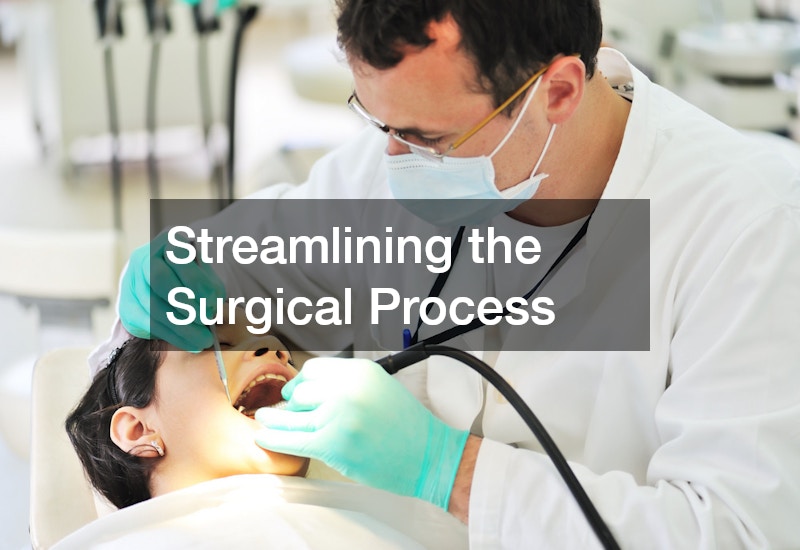
The physical act of removing a tooth has moved away from “pulling” and toward “lifting.” A general dentist today has access to periotomes and luxators, instruments that are designed to sever the tiny ligaments holding the tooth in place rather than relying on heavy pressure. This “atraumatic” approach is the cornerstone of modern surgery. By gently separating the tooth from its housing, the doctor can often slide the tooth out with minimal disturbance to the surrounding gum tissue. This results in significantly less bleeding and almost no post-operative bruising.
Furthermore, the introduction of laser-assisted surgery has been a game-changer. Lasers can be used to sterilize the area and remove infected tissue with surgical precision, often eliminating the need for traditional scalpels and sutures. When a tooth extraction is performed efficiently, the “chair time” is reduced, which is the single biggest factor in patient satisfaction. In 2026, many routine tooth extraction services are completed in under fifteen minutes, meaning the patient spends less time under anesthesia and can return to their normal life much sooner.
The Mechanics of Efficiency
- Piezoelectric Surgery: Using ultrasonic vibrations to cut through hard tissue while leaving soft tissue (nerves and gums) completely unharmed.
- Silent Handpieces: High-torque, electric drills that do not produce the high-pitched “whine” of older air-driven models, reducing patient anxiety.
- Suture-Free Techniques: Many modern extractions are so clean that they require only a small amount of medical-grade adhesive or a collagen plug instead of traditional stitches.
- Intra-Operative Irrigation: Continuous cooling of the surgical site prevents heat-related damage to the bone, which is a primary cause of post-operative pain.
The Holistic Recovery Roadmap

True recovery doesn’t happen in the dental office; it happens at home. The 48 hours following a tooth extraction are the most critical for long-term success. Modern care now extends into the home through integrated support systems. For elderly patients or those undergoing multiple extractions, in-home care professionals can be scheduled to assist with the first few hours of recovery. These caregivers ensure that the patient stays hydrated, takes their medications on time, and monitors for any signs of unusual swelling, providing a level of safety and peace of mind that was previously unavailable.
Ergonomics also plays a surprising role in recovery. Keeping the head elevated is essential for reducing the hydrostatic pressure that causes swelling and throbbing. In cases where the patient has mobility issues or is recovering from a more extensive full-mouth extraction, the use of a special needs bed or an adjustable medical bed can be a significant asset. By allowing the patient to sleep at a precise 45-degree angle, these beds facilitate proper lymphatic drainage and prevent the “pooling” of blood in the facial tissues. This simple adjustment can cut the visible recovery time (bruising and swelling) by nearly half, allowing the patient to feel like themselves much faster.
Optimizing the Healing Window
- Cold Compression Therapy: The use of “jaw-wrap” ice packs that provide consistent, hands-free cooling to the area for the first 24 hours.
- Soft Food Prep: Moving beyond just “pudding and Jell-O” to nutrient-dense smoothies and lukewarm pureed soups that support the immune system.
- Straw-Free Rule: Reminding patients to avoid straws for 72 hours to prevent “dry socket,”—a painful condition caused by the accidental dislodging of the blood clot.
- Elevated Sleep: Using a wedge pillow or adjustable bed to ensure the head remains above the heart, even during deep sleep.
The transformation of the dental experience in 2026 represents a landmark achievement in modern medicine. By moving away from the aggressive methods of the past and embracing a model of care that prioritizes precision, biological preservation, and psychological comfort, the dental community has effectively dismantled the centuries-old fear of the extraction. We have entered an era where “losing a tooth” is no longer viewed as a traumatic failure, but rather as a clinical transition toward a more stable and healthy state of being. The convergence of digital diagnostics, empathetic sedation, and specialized home recovery ensures that every patient, regardless of age or anxiety level, has access to a frictionless experience.
As we look toward the next decade of innovation, the integration of oral surgery into our broader healthcare journey will only deepen. The data points we gather during these procedures, from bone density readings to microbiome analysis, will continue to serve as vital markers for our systemic health, allowing our medical and dental teams to work in perfect synchronicity. If you are currently facing the prospect of an extraction, take comfort in the fact that the tools, the techniques, and the recovery protocols of today were designed specifically to protect your peace of mind. By choosing a provider who utilizes these modern advancements, you are doing more than just fixing a localized dental issue; you are investing in a future of better health, a faster return to your daily routine, and a life where the phrase “dental visit” no longer carries the weight of dread. The modern extraction is here, and it is a testament to how far we have come in the pursuit of human comfort and surgical excellence.